Youth Policy Dialogue in Athens, 14–15th of May
Our intern was selected from among several European regions to bring regional perspectives to a discussion event for young Europeans hosted in Athens by Apostolos Tzitzikostas, European Commissioner for Sustainable Transport and Tourism. Around 20 young professionals and students working in or studying tourism from 15 member states were invited to the event. The aim was to give young Europeans the opportunity to discuss the development of tourism directly with the Commissioner, providing him with perspectives particularly on issues affecting young people, such as sustainability, affordability, and accessibility. These experiences and views will be utilized in the preparatory work of the Commission’s Directorate-General for Mobility and Transport for a completely new sustainable tourism strategy to be published in the near future.
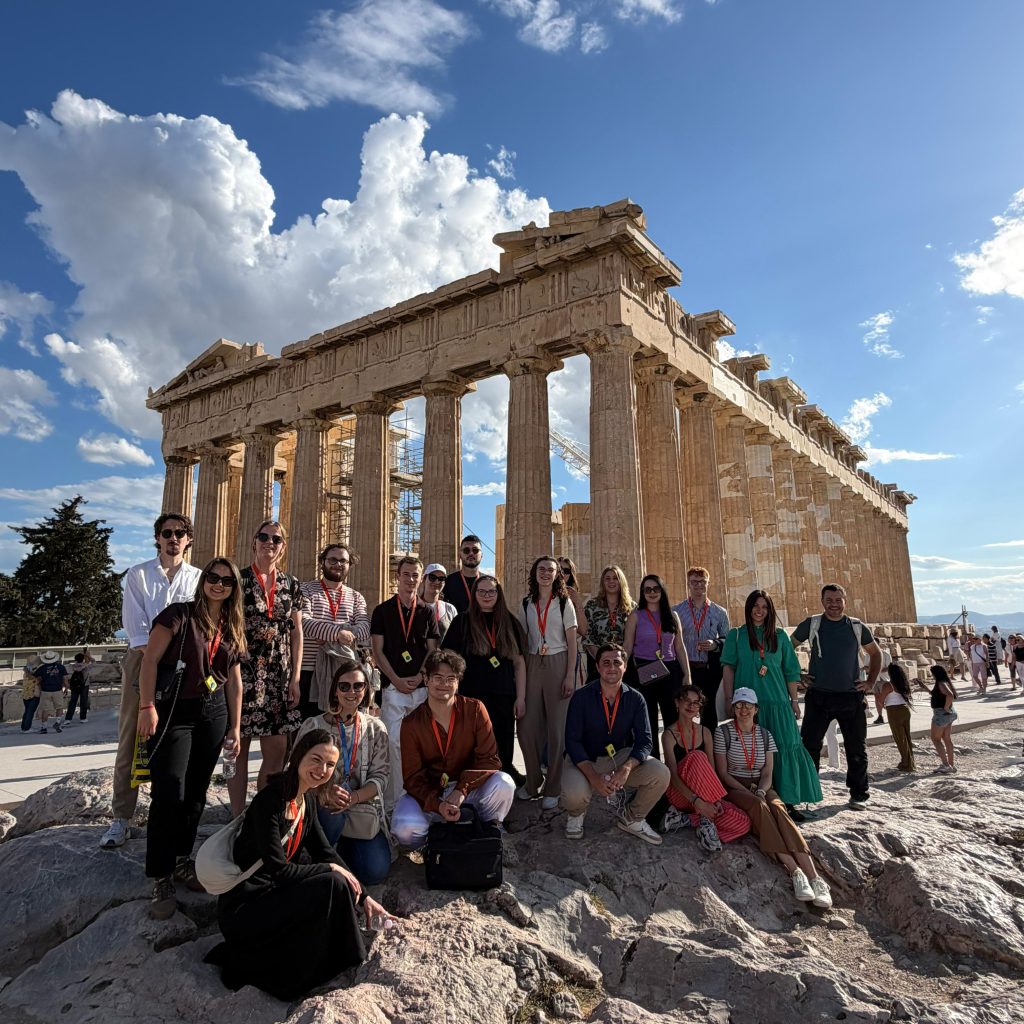
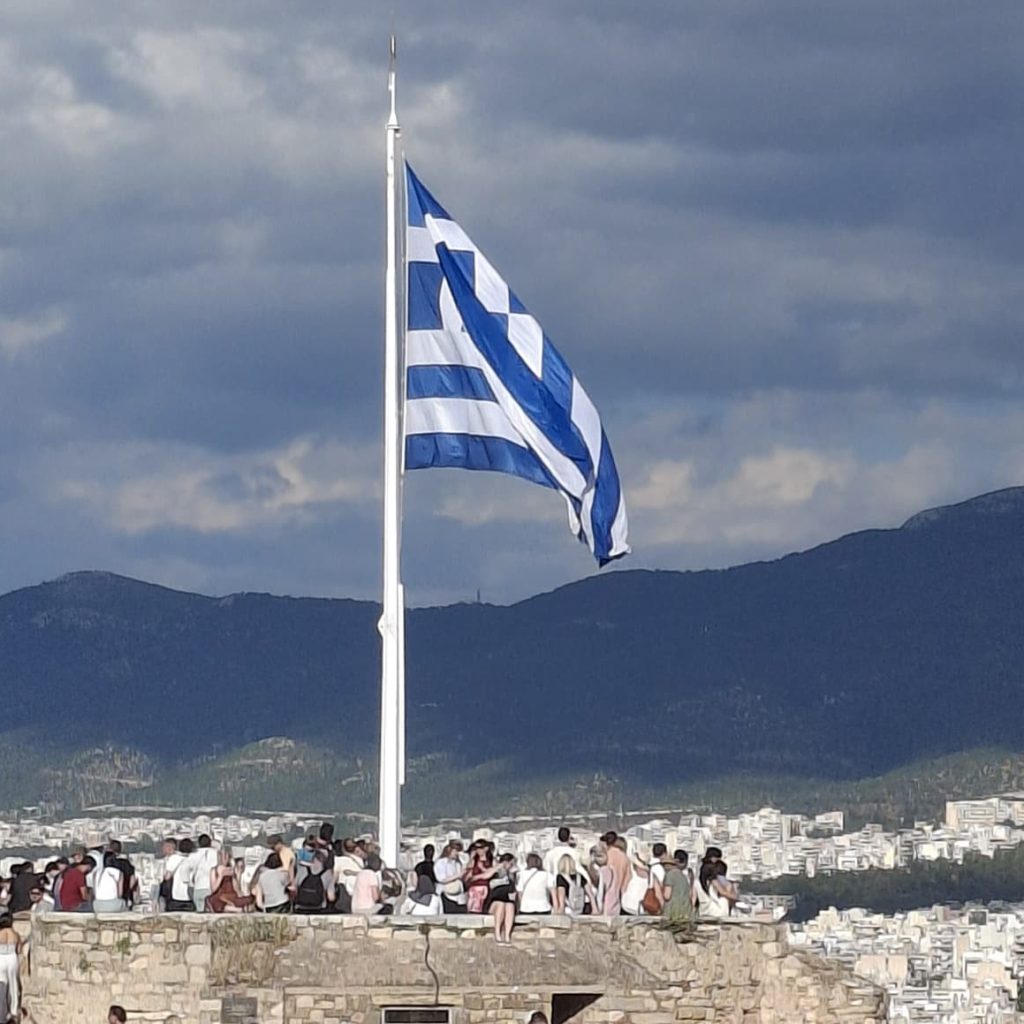
The event began with an organized cultural visit, a highly informative guided tour of the famous Acropolis of Athens followed by a Greek dinner in the timeless and idyllic Plaka district. The next morning started at the Athens Conservatoire, which served as the venue, with a coffee session and preparation for the discussion. The Commissioner eventually arrived, welcoming the participants and addressing the audience of around one hundred people before the discussion began. The discussion itself was moderated by well-known Greek TV personalities, who guided the conversation together with the Commissioner.
The Commissioner expressed a wish for the discussion to be as natural and freely flowing as possible. Nevertheless, participants had the opportunity to ask pre-prepared questions, to which he responded in the context of the upcoming strategy. Many relevant and timely issues were raised during the discussion. The sustainability of tourism and transport generated significant debate, accessibility for people with reduced mobility was highlighted, and topics such as increasing travel destinations as well as managing and distributing tourist flows emerged repeatedly. Despite the complexity of these issues, the Commissioner was able to provide answers. According to him, efforts to improve the sustainability of tourism will seek to balance the quality of life of residents in popular destinations with ever-growing demand, for example by extending tourist seasons. Accessibility for travelers with reduced mobility will also be improved in the upcoming strategy. In addition, the Commissioner presented the work of his Directorate-General, mentioning for example its efforts to develop an EU-wide rail ticketing system.
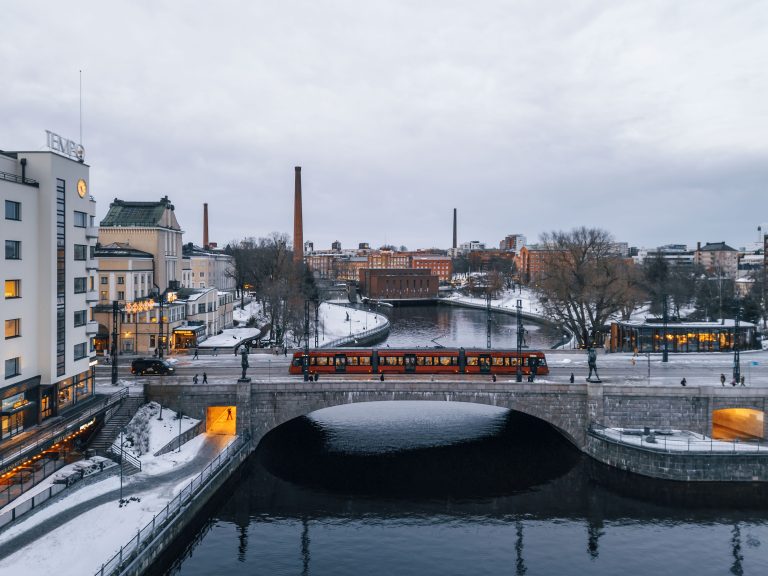
From the perspective of regions, cities, and tourism organizations, the key takeaway from the discussions was that, although the topic concerned EU-level actions to develop tourism, the issues themselves are inherently local. Measures related to transport, accessibility, and sustainability are largely implemented at the local level. It cannot be assumed that the EU will come to cities and regions to develop accessibility; ultimately, these actions must be carried out locally. Tampere has excelled in this in recent years, as recognized by its Smart Tourism Capital 2026 award, which is granted to cities that have developed their tourism, for example in digital directions. Now that these issues are being addressed at the very highest level in Europe in an entirely new way, specifically in a strategy focused on sustainable tourism, it is a good moment for actors in the Pirkanmaa region to showcase their measures and capabilities in these areas and to seek funding and recognition at the European level.