Get familiar with EU Networks: ESRA
In the “Get familiar with EU Networks” article series, it is the turn of the European Semiconductor Regions Alliance, or ESRA. The network brings together European regions that have established activities in the semiconductor field, for example in semiconductor manufacturing or research. The aim of the network is to increase the impact and visibility of the European semiconductor sector, as well as to support the economic development and competitiveness of its member regions and Europe. ESRA is a very important network for the Tampere Region EU Office as well as for the entire semiconductor sector in Pirkanmaa. The EU Office has been very active in the network for years and has achieved an excellent reputation within the network as well as in Brussels in the semiconductor field. In addition, Pirkanmaa is currently part of the network’s presidency and will serve as the chair in 2027.
You can read more about the ESRA network on the alliance’s website!
The core of ESRA’s activities is regions and EU offices
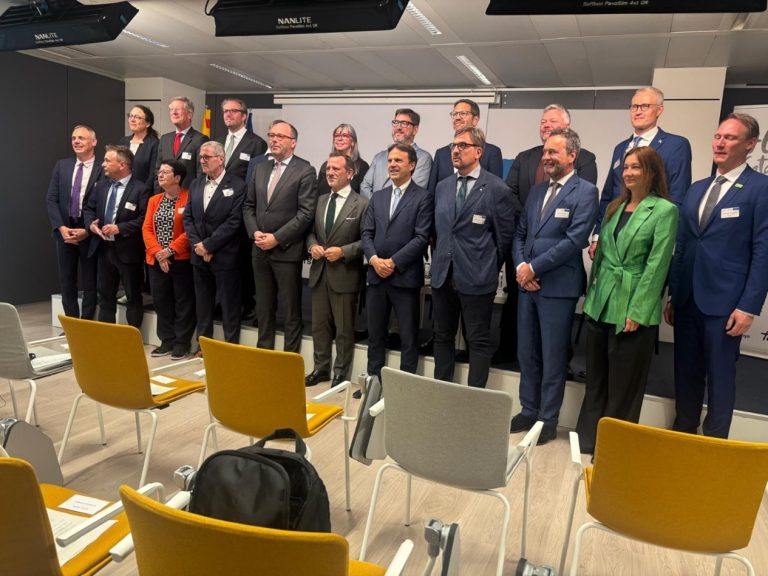
ESRA is not an official organisation of the European Union, but a cooperation platform and working forum established in 2023, whose activities and funding are based on the voluntary participation and own resources of its members. The network is coordinated by a presidency consisting of three regions, which currently includes Pirkanmaa together with the regions of Catalonia and Piemonte. Pirkanmaa will act as the chair of the network in 2027 and is also one of the founding members of the network. At the moment, 40 regions from 13 different European countries participate in ESRA’s activities. From Finland, three regions traditionally active in the semiconductor sector, Pirkanmaa, Northern Ostrobothnia, and Uusimaa are involved.
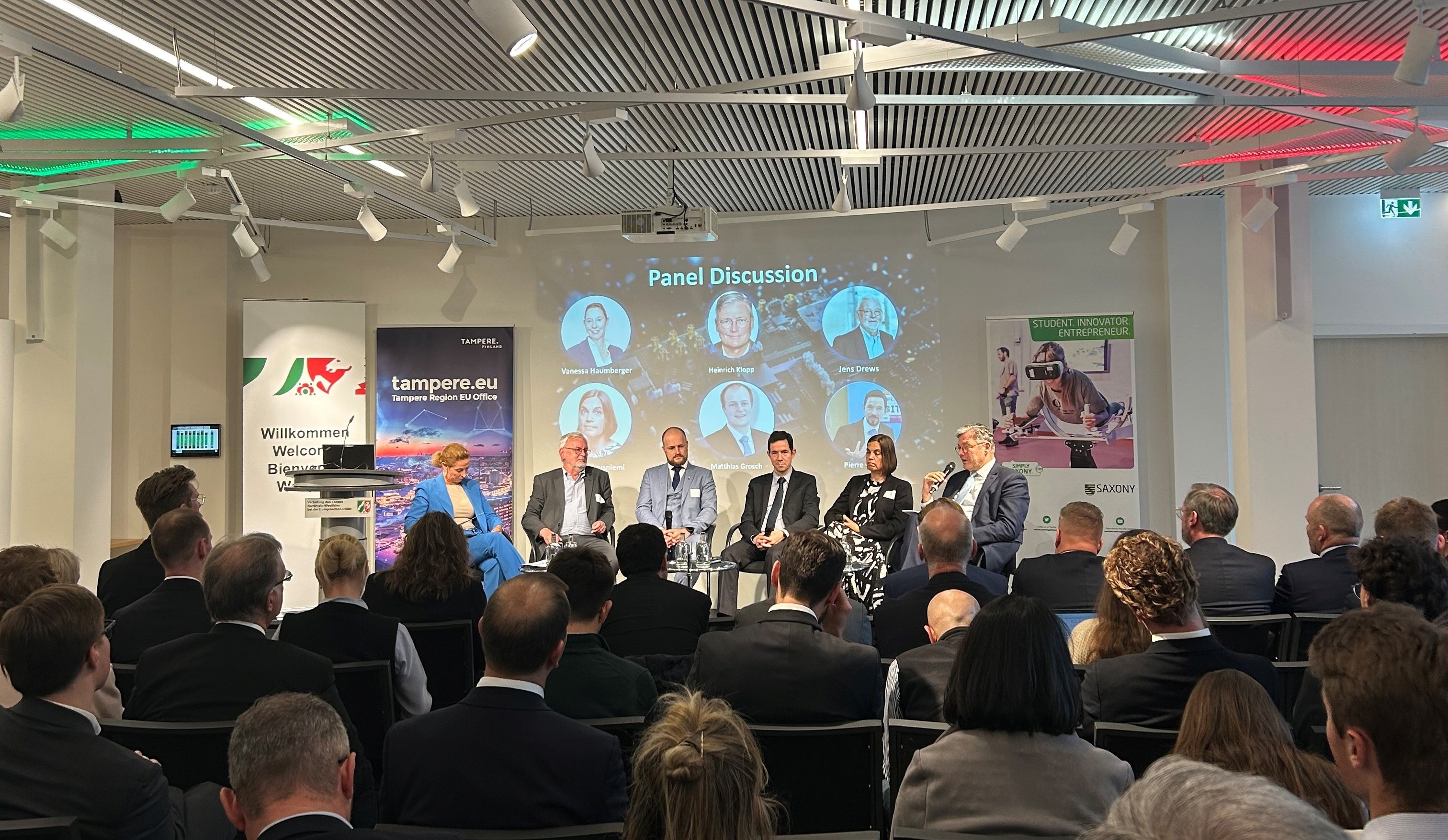
The activities of the network consist of political-level events, the work of the so-called Sherpa group composed of experts, and meetings of the core group in Brussels. Political-level events are typically organised about twice a year. The chairing region organises the annual general assembly, and the next chairing region organises the handover event towards the end of the year. The Sherpa group meets approximately six times a year. The task of the group is to implement the alliance’s political objectives, prepare responses to key legislative initiatives, and update the alliance’s key policy documents when necessary. The core group in Brussels, consisting of regional offices and carrying out advocacy work, is in contact with the European Commission and legislators, shares and disseminates relevant information, and meets about five times a year.
Objectives and focus areas of the activities
The main objective of the network is to develop the growth and competitiveness of the entire European semiconductor sector. Due to its regional nature, the network has a very significant role specifically in bringing the regional perspective into European-level discussions and in strengthening the industry and competitiveness of its member regions.
The semiconductor sector is currently highly significant for Europe and the EU. Semiconductors will be at the centre of almost all future technologies and are therefore critical, for example, for the EU’s objectives in competitiveness and strategic autonomy. ESRA seeks to influence this development in its activities particularly through its legislative work. In its work, the network acts as an active partner during the preparation of the European Commission’s legislative proposals, particularly bringing the regional perspective into the shaping of these proposals. A good example of the activities is the recently published proposal for the Commission’s new semiconductor regulation (Chips Act 2.0), in which regions have been recognised in a significant way as the baseline for Europe’s semiconductor industry, production, and research.
Chips Act 2.0, ESRA and Pirkanmaa
With Chips Act 2.0, the year 2027 will be very significant for ESRA. The finalisation of the legislation and its subsequent implementation will highlight the themes important to the network. For example, the importance of best practices, regional cooperation, and research activities will be emphasised in this significant phase of change for the sector. In addition to ESRA, 2027 will also be an important year for Pirkanmaa. Pirkanmaa will lead the work of the network during a year that is highly significant for the network and the entire sector.
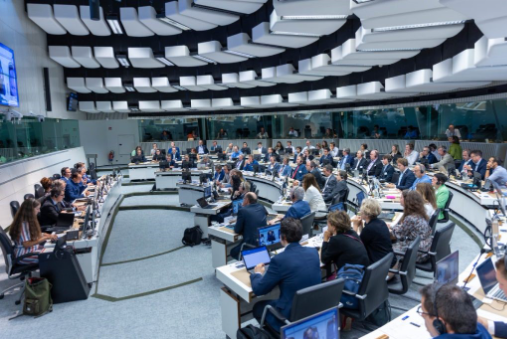
Network work at the General Assembly in Brussels
You can read about the ESRA annual meeting on our website.