EU-Mercosur trade agreement stalled in parliamentary vote – Will still enter into force temporarily
Approval of the Mercosur trade agreement has been postponed. The European Parliament is sending the agreement to the Court of Justice of the EU for review. According to the Commission, the agreement could temporarily take effect. However, this uncertain situation is making it difficult to strengthen trade relations..
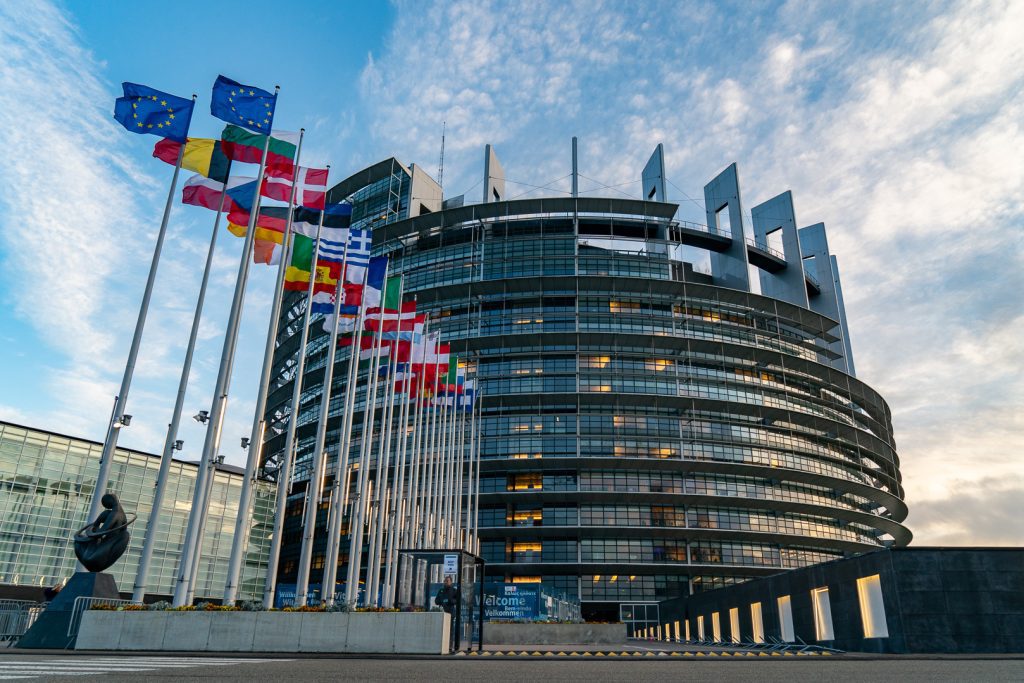
On Wednesday, January 21st, the European Parliament voted to send the Mercosur trade agreement to the Court of Justice for review. This means the approval process will be delayed at least several months. The vote was very tight: 334 voted in favor, 324 voted against, and 11 MEPs casted a blank votes. After over twenty years of negotiations, the agreement was put on hold in the last minute. The Mercosur countries are Argentina, Brazil, Uruguay, and Paraguay.
In the vote, centrist groups mainly voted in favor of the agreement’s legality, i.e., against referral to the Court of Justice. Groups from the left and right considered reviewing the agreement’s legal basis necessary. Some MEPs argued against approving the agreement altogether, while others said that reviewing its legality was an important step towards approval. The trafe agreement is opposed on both agricultural and environmental grounds. There are fears that agriculture will suffer from the acces to common markets, while others are concerned that increased trade will negatively impact climate and environmental goals.
This turnaround occurred because the far-left and far-right wings of Parliament, who oppose all globalization in general, found common ground and gained enough support for the project from those who promote agricultural interests and who promote environmental issues. These groups rarely agree on anything else.
Submitting the agreement to the court for review does not mean that it has been rejected or will not enter into force. According to the Commission, the trade agreement will temporarily take force until a final vote is taken on it. A final vote by the Parliament is at least months, if not years, away. The balance of power in the Parliament is so evenly divided that it is unclear whether the agreement will be approved or rejected in that final vote. Unfortunately, it is impossible to predict the global political situation when the agreement could receive the final approval. Therefore, many factors may influence the final outcome.
A delay in the approval process for the agreement weakens the effort to foster stronger trade relations. It creates uncertainty for the export industry. Companies stay uncertain about future trade rules and tariffs with Mercosur-countries.
In these uncertain times of global politics, it is crucial for the EU to establish trade agreements with other regions. Trade with South American countries benefits both sides. For the EU, agreement includes the access to raw materials for various technology sectors. The EU’s internal difficulties in achieving mutual understanding may also affect future negotiations with other regions. For example, the EU is currently negotiating with India.